 EN
EN
 ES
ES
 DE
DE
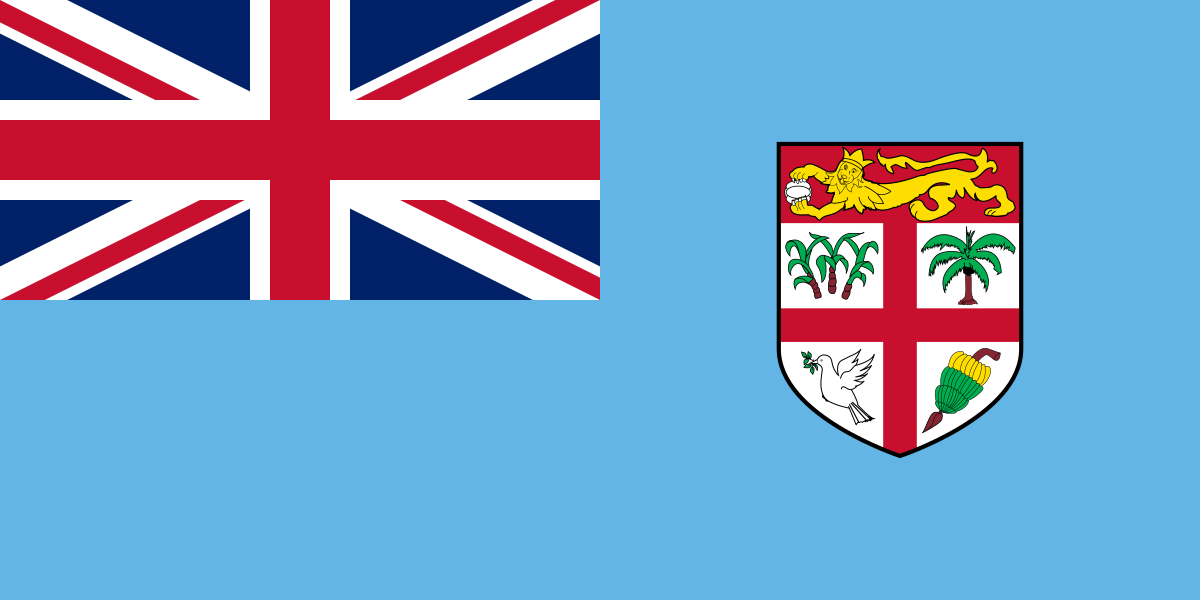
Fiji
Fiji is called the soft coral capital of the world, and the title is well-earned. The archipelago sits at the intersection of the South Pacific's strongest currents, which carry constant nutrients and produce the densest, most colorful soft coral growth on any reef system on Earth.
Somosomo Strait, between Vanua Levu and Taveuni, is the best of it — Rainbow Reef at the strait's mouth is a legitimate wonder of diving, with walls covered in neon soft corals that seem impossible to photograph without looking oversaturated.
Beqa Lagoon, south of Viti Levu, runs the world's original shark-feeding dive: up to eight species including bull sharks, lemon sharks, and tawny nurse sharks on a single 30-meter descent. Controversial, but extraordinary.
Vatu-i-Ra, in the Bligh Water between the two main islands, is quieter and more pristine — soft coral pinnacles with fewer divers than Taveuni.
Logistics: most Fiji diving is resort-based (not liveaboard). Direct international flights from Los Angeles, Sydney, and Auckland arrive at Nadi on the main island, then domestic flights or seaplanes reach the outer islands.
The selection.
Search Flights
Bookings through this form support independent dive journalism.
Search Flights & Hotels · Fiji
Compare live prices across hundreds of airlines and accommodations — all in one place.
How to get there.
Flight gateway data · updated daily
Book Your Airport Transfer
Bookings through this widget support independent dive journalism.
Dive sites.
Dive sites map
Delayed, cancelled, or overbooked? You may be entitled to up to €600 per passenger.
Frequently asked questions
Q01
When is the best time to dive in Fiji?
+
When is the best time to dive in Fiji?
The best months for diving in Fiji are April, May, June, July, August, September, October. During this period water conditions, visibility, and marine life activity are typically at their peak.
Q02
What is the water temperature in Fiji?
+
What is the water temperature in Fiji?
Water temperatures in Fiji range from 25°C to 29°C throughout the year. A 3mm wetsuit is generally sufficient during warmer months; consider a 5mm for cooler periods.
Q03
What visibility can I expect diving in Fiji?
+
What visibility can I expect diving in Fiji?
Underwater visibility in Fiji typically ranges from 15 to 30 meters, depending on season and dive site. Optimal visibility is generally achieved during the dry season.
Q04
What are the most famous dive sites in Fiji?
+
What are the most famous dive sites in Fiji?
Some of the most iconic dive sites in Fiji include Beqa Lagoon Shark Dive. Each offers a distinctive experience — from dramatic walls and wrecks to pelagic encounters and macro photography hotspots.
Q05
Where should I stay when diving in Fiji?
+
Where should I stay when diving in Fiji?
We list curated dive resorts and accommodations near the best dive sites in Fiji. See the Resorts section above for our selected properties, or search Booking.com for a broader range of hotels.
Q06
Do I need a certification to dive in Fiji?
+
Do I need a certification to dive in Fiji?
Most dive operators in Fiji require at least an Open Water certification (PADI, SSI, or equivalent). Advanced sites may require Advanced Open Water or specific experience levels. Discover Scuba Diving experiences are often available for beginners.
Liveaboards & Dive Packages
Live aboard a vessel and dive multiple times daily — the purest form of scuba travel. These platforms specialise in booking dive liveaboards and resort packages.
Where to Stay
Find accommodation near the best dive sites
Top Things to Do
Bookings through this widget support independent dive journalism.
Diving Tours & Activities
Book diving experiences with local operators
Also search on
Search flights on Kiwi.com →